Attic Rain During Extended Fog Events in Calgary and Southern Alberta
January 5, 2026
Understanding the difference between attic rain vs roof leaks is vital for homeowners in cold climates; while both involve water, one is caused by melting frost inside the attic and the other by structural damage to the shingles.
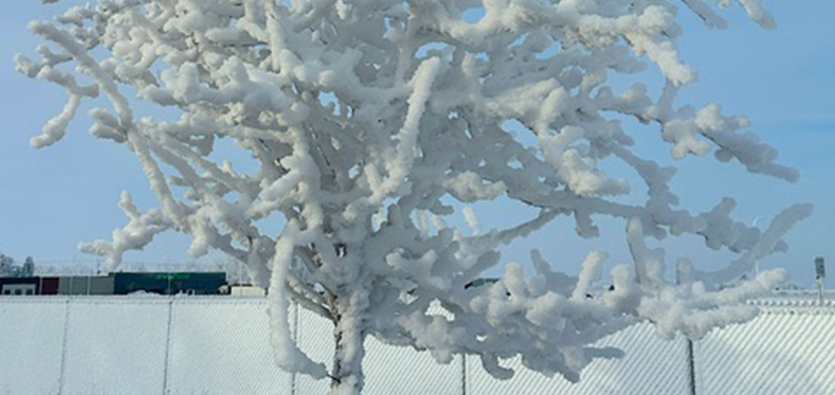
Southern Alberta has been especially beautiful recently. Prolonged fog has transformed Calgary and surrounding communities into striking winter scenes, with hoar frost covered trees and quiet, shimmering landscapes. While these conditions are visually impressive, they also reflect a specific atmospheric pattern that can temporarily affect how homes perform, particularly attic spaces.
During these periods, we often hear from homeowners in Calgary and Southern Alberta who believe they are dealing with a roof leak during winter, even though the roofing system itself remains intact. One common explanation is a phenomenon known as attic rain, which is frequently mistaken for a leaking roof in Calgary during foggy weather.
At AKRoN Roofing, we see this pattern regularly during extended fog events, and it is important for homeowners to understand what is actually happening before assuming roof failure.
What Is Attic Rain?
Attic rain is not caused by failing shingles, flashing, or roofing membranes. Instead, it is the result of environmental conditions, including:
- Extended fog
- High ambient moisture levels
- Cold attic surfaces
- Subsequent warming temperatures
Fog contains a high concentration of airborne moisture. During prolonged fog events, that moisture exists everywhere—including inside attic spaces.
Because attic ventilation systems are designed to exchange air with the outdoors, moisture-laden air naturally enters the attic through intake vents and exits through exhaust vents. During these environmental conditions, there is nothing that can be done to prevent moisture from entering the attic space. This is not a defect in the roof.
How Attics Are Intended to Perform
A properly designed attic is intended to remain as close as possible to the ambient outdoor temperature. This performance depends on balanced attic ventilation, which allows moisture to move through the space under normal conditions.
Balanced ventilation includes:
- Intake vents at soffits or eaves that draw in exterior air
- Exhaust vents such as ridge vents or roof vents that allow warmer air to exit
- Continuous airflow that supports drying during typical winter conditions
When intake and exhaust ventilation are balanced, the attic can dry effectively during normal weather patterns. During extended fog events, however, moisture levels may temporarily exceed what even a well-designed system can manage.
We often explain to homeowners that winter roof leaks in Calgary are frequently attic related rather than material related. In these cases, the ventilation system is functioning as designed, but environmental moisture levels are unusually high.
Why Frost Forms in Attics During Calgary Fog
During extended cold and foggy weather, moisture laden air in the attic comes into contact with cold surfaces. This interaction leads to condensation and frost buildup inside the attic space.
Frost commonly forms on:
- The underside of the roof deck
- Roofing nails and fasteners
- Metal penetrations and vent components
- Framing members exposed to cold surfaces
This frost buildup is a normal response to environmental conditions and does not indicate a leaky roof or roofing failure. This type of attic condensation is common during extended fog events and does not point to shingle failure or roof damage.
Why Attic Condensation Looks Like a Roof Leak in Winter
When outdoor temperatures begin to rise, even slightly, the frost that formed inside the attic starts to melt. This includes frost on the underside of the roof deck as well as on fasteners and framing members.
As the frost melts, water follows the path of least resistance. Moisture may travel along framing or fasteners and appear inside the living space through common ceiling penetrations such as:
- Light fixtures and ceiling mounted lights
- Pot lights and recessed fixtures
- Bathroom fan housings
- Electrical penetrations and wiring openings
At this stage, water may drip into the living space below, creating the appearance of a roof leak even though the roofing system itself remains watertight. This explains why requests for roof leak inspections in Calgary often increase immediately after foggy weather begins to clear.
Important Clarification: Is Attic Rain a Roof Problem or a Weather Issue?
During prolonged fog combined with cold temperatures and warming cycles, attic rain cannot be fully prevented, even in well designed homes. This condition is driven by weather patterns and basic building science, not by poor workmanship or failing roofing materials.
We regularly reassure homeowners that even professionally installed roofing systems in Calgary can experience attic rain under these conditions. In many cases, the roof is performing exactly as intended while environmental moisture temporarily exceeds normal drying capacity.
What Homeowners Should Do During an Attic Rain Event
When attic rain occurs, the appropriate response is drying and moisture control, not roof replacement.
Dry the Affected Area
- Use portable fans directed at damp ceiling or wall areas
- Continuous airflow helps evaporate moisture and minimizes staining
Control Indoor Humidity
Keeping interior humidity low is especially important during fog events.
- Aim to keep indoor humidity below 25% during cold weather
- Avoid using humidifiers
Use Kitchen and Bathroom Fans Properly
Moisture generated inside the home can migrate into the attic.
- Run bathroom fans for at least 30 minutes after bathing or showering
- Run kitchen exhaust fans for 30 minutes after cooking
- Ensure fans vent fully to the exterior
Keep the Attic Hatch Closed
- An open or poorly sealed attic hatch allows warm, moist household air into the attic
- Keeping it closed helps reduce condensation on cold attic surfaces
When an Attic Assessment May Be Helpful
While attic rain itself cannot be eliminated during extended fog events, some homeowners still request an attic assessment for added clarity. These assessments focus on confirming normal attic performance under typical conditions.
An attic assessment may help to:
- Review the balance of intake and exhaust ventilation
- Confirm whether ventilation is adequate during normal winter conditions
- Identify opportunities to improve attic drying outside of extreme fog events
Any recommendations are intended to optimize attic performance under standard operating conditions, not to eliminate attic rain entirely.
Final Thoughts
Attic rain is a building science phenomenon driven by humidity, temperature, and airflow, not typically by roof failure. During extended fog events in Calgary and Southern Alberta, moisture naturally moves through attic spaces, condenses on cold surfaces, and may become visible indoors as temperatures begin to rise.
When this occurs, the correct response is drying and moisture management, not immediate roofing repairs. In many cases, the roofing system is performing exactly as intended.
If you are dealing with what looks like a leaking roof in Calgary, we can help determine whether the issue is attic rain or an actual roof leak. This distinction allows homeowners to avoid unnecessary repairs while addressing the situation appropriately.
About AKRoN Roofing
At AKRoN Roofing, we provide high quality roofing systems built for Calgary’s climate and long term performance. Our work is grounded in experience, technical accuracy, and a clear understanding of how roofing systems respond to real world environmental conditions.
If you have concerns about attic rain or winter moisture, we can help assess the situation and provide clear guidance. Contact us now.