After the Storm: What to Check After a Calgary Summer Storm
May 4, 2026
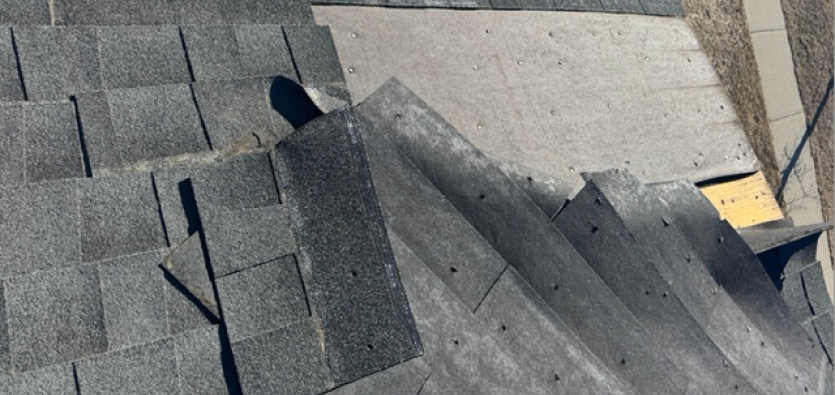
When the skies clear after one of our Calgary summer storms, the aftermath can be deceptively calm. Even though the rain has stopped, the damage may already be done.
In fact, your roof could be silently compromised, with minor issues now that can turn into serious, expensive problems in just days.
At AKRoN Roofing, we see firsthand how wind, hail, and heavy rainfall chip away at a home’s roofing system without leaving obvious signs. That’s why we urge Calgary homeowners to take immediate action.
Here’s what to look for after a storm hits, how to start assessing potential roof damage, and when to contact a professional roofing company for inspection or emergency repair. Your roof is your home’s first line of defence; make sure it’s still doing its job.
Step 1: Ground-Level Inspection
Start by walking around the perimeter of your home and inspecting the roof from the ground. Look up carefully and use binoculars to get a closer view if needed. Check for visible issues like fallen tree branches, loose or hanging gutters, and damaged soffits.
If you spot shingles that are curling at the edges or missing entirely, it could be a sign that high winds have lifted or broken the shingle bond.
Also, check for granules scattered around downspouts. These small particles are critical to a shingle’s protective function (they shield the asphalt layer from UV rays and weathering), and their absence is a warning sign.
Step 2: Assessing Roof Surface (If Safe)
If parts of your roof are visible from upper-story windows or a neighbour’s vantage point (with their permission), take a closer look that way. Look for damage such as:
- Lifted, missing or curled shingles
- Dark dents on shingles caused by hail
- Bent or dented roof vents and flashing
- Exposed nails or sealing failures around roof penetrations
If you have a drone, this is a safer way to assess hard-to-reach areas. Be cautious. Any roof inspection that poses a safety risk should be left to a certified roofing company. Professionals have the tools and training to assess storm damage without putting themselves or your roof at risk.
Step 3: Indoor Inspection (Attics and Ceilings)
Storm damage isn’t always visible from the outside. Head into your attic shortly after the storm passes. A strong flashlight may help you spot:
- Damp insulation
- Discoloured wood
- Sunlight peeking through the decking
In your living space, check the ceilings directly under the roofline. Water stains or bulging paint are often early indicators of leaks. Be proactive: Addressing minor leaks right away can help you avoid expensive damage down the road. If you suspect water infiltration, run a portable fan in the area to dry it out as much as possible.
Step 4: Flashings, Plumbing Vents, And Roofing Accessories
These are the areas most vulnerable to storm damage, yet they’re often overlooked. After high winds or hail, flashing around your chimney or roof vents may be compromised. Look for visible separation or compromised sealants.
Cracked plumbing boots and broken vent caps are another red flag. These materials can degrade under constant UV exposure and may split or tear during a storm. If you’ve had new features installed recently, like solar panels or skylights, their flashings should be double-checked, as poor integration often leads to leaks.
Step 5: What About Flat Roofs?
Flat and low-slope roofs are common in Calgary. These roofs are particularly vulnerable to ponding water.
If it is safe to access your flat or low slope roof after a storm, look for pools of standing water. Check to see if scuppers or drains are plugged by leaf debris.
Membrane damage on flat roofs isn’t always obvious. Compromised seams can exist underneath pooled water and go unnoticed until a significant leak occurs. This type of damage to flat roofs is best assessed by a professional commercial roofing contractor who understands waterproofing systems.
Step 6: Gutters And Drainage Systems
Another problem after a storm is gutter failure. Heavy rainfall and wind often push debris into eavestroughs, creating blockages. This can lead to water overflow onto fascia boards, siding, and settling in the ground close to your foundation.
After any storm, remove leaves and branches from gutters and downspouts. Run a hose to test flow and drainage direction. If water backs up or spills over, it may be time to realign or replace your eavestrough. A certified Calgary roofing company can ensure your drainage system is doing its job.
Step 7: Proper Documentation is Everything
If possible, take high-quality photos and videos of all areas of concern, before and after cleanup. Include:
- Roof surfaces
- Flashings
- Gutters
- Interior ceiling spots
- Any fallen debris around your home
These images will be critical if you file a home insurance claim. In Alberta, insurers typically require prompt reporting, often within days. Delays or incomplete documentation can result in reduced payouts or denied claims.
When to Call a Roofing Company
If you notice any of the following signs, it’s time to bring in the experts:
- Missing shingles
- Dark pitted marks on shingles
- Consistent attic dampness or visible ceiling leaks
- Dented, cracked or displaced flashing
- Cracked or broken vents
- Excessive standing water on a flat roof
- Excessive granule loss
- Dents in metal roofing or accessories
A licensed roofing company like AKRoN Roofing is available to conduct an inspection, identify issues, and provide a transparent repair estimate.
Why AKRoN Roofing is the Right Choice
AKRoN Roofing is a Calgary-based, award-winning roofing company that delivers premium residential and commercial roofing solutions. Our team specializes in storm damage repair, roof inspections, and full replacements using high-end roofing products and trusted materials like GAF Timberline UHDZ, Certainteed Northgate , and Euroshield.
We are fully licensed, insured, and committed to craftsmanship. Our crews understand the local climate and have deep experience handling Calgary’s unique weather patterns, from intense summer hail to long periods of sun exposure.
You can count on us for fast emergency response, transparent estimates, and long-term solutions. Don’t wait for small damage to become a big problem. Contact us today and protect your roof.