The Role of Two-Ply Roofing Systems in Protecting Low-Slope Areas
September 7, 2026
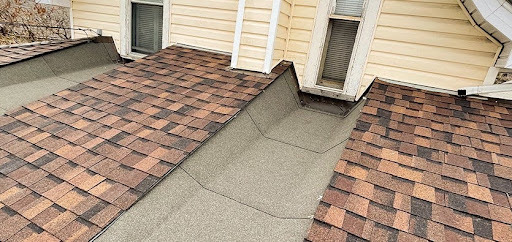
Calgary’s architectural landscape often includes buildings with low-slope roofs or sections with low slopes in a transitional area, presenting unique challenges compared to traditional pitched roofs. Low-slope roof facets, defined by their minimal incline, require specialized solutions to combat issues such as water pooling, drainage inefficiencies, and susceptibility to weather elements. Recognizing and addressing these challenges is crucial for ensuring the long-term integrity of low-slope roofs.
Accordingly, the selection of a roofing system plays a pivotal role in addressing the distinctive challenges posed by low-slope roof areas. Conventional roofing materials designed for steeper pitches may fall short of providing the necessary protection and resilience required for low-slope applications.
Hence, understanding the importance of choosing appropriate roofing systems tailored to low-slope structures becomes imperative for homeowners and builders alike.
In navigating the complex terrain of low-slope roofing, expertise becomes a critical factor. AKRoN Roofing has emerged as a trusted roofing company in Calgary for homeowners and businesses seeking reliable and durable roofing systems for their properties.
This blog will explore the challenges associated with low-slope roofing, underscore the significance of choosing the right roofing systems, and shed light on how AKRoN Roofing’s specialized expertise caters to the distinct needs of low-slope roofs for Calgary homeowners.
Understanding Low-Slope Roofing
Low-slope roofs, often recognized by their gentle incline, deviate from the steep slopes seen in traditional roofing. Generally defined by a slope of 2/12 or less, these roofs can offer a modern and visually appealing architectural choice.
Their flat or nearly flat design, however, introduces a set of challenges that demand specialized solutions.
Low-slope roofs, while architecturally intriguing, are susceptible to water pooling, inadequate drainage, and increased exposure to the elements. Water accumulation, in particular, poses a significant risk, potentially leading to leaks, structural damage, and the premature deterioration of roofing materials.
These challenges necessitate roofing systems designed to counteract the unique issues associated with low-slope architecture.
Why Conventional Roofing Materials Are Not Suitable For Low-Slope Areas:
Conventional roofing materials, optimized for steeper pitches, may struggle to perform effectively on low-slope roofs. The reduced slope makes water drainage more challenging, increasing the likelihood of ponding.
Additionally, traditional shingles may not provide adequate protection against water infiltration, making it imperative to explore roofing systems specifically engineered to address the intricacies of low-slope structures.
Exploring Two-Ply Roofing Systems
Two-ply roofing emerges as a highly effective solution to the challenges presented by low-slope roofs. Unlike traditional roofing materials, Two-Ply systems are specifically engineered to accommodate the nuances of flatter roof designs. Recognized for their versatility and resilience, these systems have gained prominence in the roofing industry, offering a tailored response to the unique demands of low-slope structures.
Two-ply roofing systems consist of two main layers—a base sheet and a cap sheet—both crucial to their performance. The base sheet, typically self-adhering, ensures a secure and stable foundation, while the cap sheet, made of polymer-modified asphalt, provides durability and weather resistance.
This layered structure not only enhances the roof’s strength but also contributes to its flexibility, making it adept at handling the challenges associated with low-slope configurations.
Benefits And Advantages Of Using Two-Ply Roofing On Low-Slope Roofs
The adoption of Two-Ply Roofing on low-slope roofs brings forth a range of benefits:
- Excellent waterproofing, preventing water infiltration and mitigating the risk of ponding.
- The seamless installation process with the self-adhering nature of the base sheet reduces the likelihood of leaks.
- Enhanced flexibility, making it a preferred choice for areas with diverse weather conditions.
- Colour options closely resembling traditional asphalt shingles contribute to the aesthetic appeal of low-slope roofs.
AKRoN Roofing’s Recommended Two-Ply Roofing Systems
Malarkey Omniseal stands out as a leading Two-Ply roofing system renowned for its advanced technology and reliable performance. This system incorporates self-adhering technology in both the base and cap sheets, ensuring a secure and efficient installation process. The Malarkey Omniseal system provides a robust barrier against water infiltration and offers exceptional durability, making it a top choice for low-slope roofing applications.
Polyglass Elastoflex emerges as another trusted solution recommended by AKRoN Roofing for low-slope roofs. This system features a self-adhering base sheet and a cap sheet made from SBS-modified asphalt. The SBS modification enhances the material’s flexibility and resistance to temperature variations. Polyglass Elastoflex is recognized for its long-lasting performance, providing reliable protection against the challenges posed by low-slope roofing.
AKRoN’s Expertise In Recommending And Installing Two-Ply Roofing
AKRoN Roofing takes pride in its expertise in assessing, recommending, and expertly installing Two-Ply roofing systems. With a deep understanding of the unique requirements of low-slope roofs, our skilled technicians are well-versed in the intricacies of Malarkey Omniseal and Polyglass Elastoflex systems.
Homeowners can trust AKRoN Roofing for personalized recommendations and professional installations that prioritize the longevity and performance of low-slope roofing structures.
Contact us today.