The Safety Standards Roofing Contractors in Calgary Should Follow
May 12, 2026
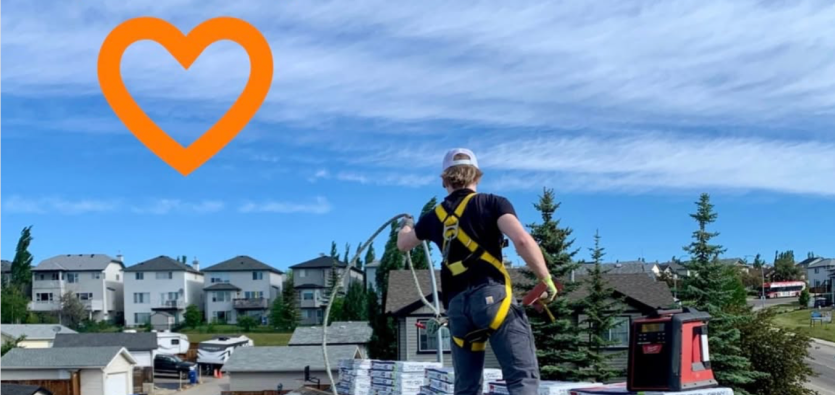
Roofing is a highly-demanding, safety-sensitive trade, especially in Alberta. Every day, our crews face Alberta’s weather conditions in addition to the heights, heavy materials, and tools necessary for the job.. At AKRoN Roofing, safety is not just a requirement — it’s our foundation. We protect our people, our clients, and every project we complete by adhering to strict safety standards.
In this blog, we explain the roofing safety standards every reputable roofing contractor must follow, including Alberta’s Occupational Health and Safety (OHS) Code and Canadian Standards Association (CSA) guidelines. We’ll also talk about how
Our COR certification and operations demonstrate that we take these commitments seriously, and the training, equipment, and ongoing audits we manage to ensure compliance.
By the end, you’ll understand what responsible roofing safety looks like and what sets us apart as a trusted roofing contractor in Calgary.
Roofing Safety Standards Matter in Alberta
Alberta’s climate demands resilience from installers as well as the building materials (as well as the people). Ice, snow, and high winds can pose a lot of challenges. Without strict adherence to safety standards, even experienced roofers would face significant risks.
We treat safety as the cornerstone of every project at AKRoN. Our team plans carefully, inspects thoroughly, and doesn’t cut corners — because the security of our crews and clients depends on it. Consistent safety practices and quality workmanship should always go hand in hand. When homeowners and builders choose a roofing company in Calgary that prioritizes compliance and protection, they’re choosing reliability and long-term value.
Key Alberta Roofing Safety Regulations and Standards
Alberta Occupational Health and Safety (OHS) Code Requirements
The Government of Alberta’s OHS Code defines the legal safety expectations for every construction project in the province. Roofing work falls under Part 9 (Fall Protection) and Part 23 (Scaffolds and Platforms), both essential for keeping crews safe while working at height.
Key requirements include:
- Fall protection: Any worker operating three metres or more above ground must use approved fall-arrest or restraint systems.
- Guardrails and lifelines: Secure, load-tested systems must be installed before work begins and inspected daily.
- Access equipment: Ladders and scaffolds must meet manufacturer load standards and undergo pre-use inspection.
- Roof openings and skylights: All must be covered or guarded with materials that can handle double the anticipated load.
As a Certificate of Recognition (COR) holder through the Alberta Construction Safety Association (ACSA), we respect these provincial standards. The COR program requires annual third-party audits and continuous improvement, ensuring that our processes remain at the forefront of Alberta’s evolving OHS expectations.
Training and Certification Requirements
A strong safety program begins with knowledge. In Alberta, roofing workers must complete Fall Protection training before stepping onto a roof. Supervisors must verify the qualifications and ensure renewal sessions occur as required.
AKRoN’s Safe Work Practices
Checklists alone don’t define a safe roofing company: strong habits do. Here are a few of the daily practices we follow to uphold Alberta’s safety standards and protect everyone on-site:
Site Assessments and Hazard Identification
Before projects begin, we complete a safety inspection of the worksite. This includes checking physical hazards such as working from heights and falling objects. We pay special attention to environmental hazards such as heat, wind, cold weather exposure and icy surfaces. We then identify what controls will be used to mitigate risks from the hazards.
These proactive evaluations help us prevent incidents before they occur and adjust strategies as weather conditions change.
Our teams follow a maintenance protocol as set out by our safety program, ensuring that all equipment and operations meets safety standards. These routines have become second nature, helping us maintain our reputation as an award-winning roofing company in Calgary.
Weather and Environmental Safety Protocols
We respect the weather. If winds exceed safe operating limits or freezing rain creates slippery conditions, work is paused. Other weather hazards include heat in the summer and frost on winter mornings. Our crews wear non-slip footwear, use roof mats for stability if needed, and are encouraged to work with the conditions, not pressured to push through in order to meet a deadline . These measures prevent accidents and ensure consistent quality in every installation.
Building Trust Through Compliance and Transparency
Trust is earned through consistent performance and open communication. We’re proud to show our clients exactly how we stay compliant with OHS requirements. From training records to safety plans, transparency is part of our process.
We encourage you, whether you’re a homeowner, builder, or facility manager, to verify your contractor’s credentials before hiring. Proof of insurance, safety certifications, and COR status are signs of professionalism and accountability.
If you’re seeking a roofing company in Calgary that combines skill, integrity, and verified safety standards, we welcome you to connect with our team.
The Role of Safety Audits and Ongoing Compliance
Safety excellence is never static. Alberta’s Occupational Health and Safety (OHS) regulations evolve, and so must the companies that follow them. As part of our COR certification, we undergo internal and external audits to review our safety program..
These audits aren’t just paperwork. They help us identify improvements, strengthen accountability, and maintain consistency across every project. The result is a culture of continuous improvement that benefits our team and our clients alike.
About AKRoN Roofing
We also hold a number of accreditations and certifications with renowned roofing manufacturers and organizations that set us apart in the industry.
At AKRoN Roofing, work is planned and executed with safety as an operational requirement, not a slogan. We hold the Small Employer Certificate of Recognition (SECOR) from the Alberta Construction Safety Association, demonstrating compliance with Alberta’s occupational health and safety standards.
Every roof we install is completed by certified professionals who combine technical skill with proven safety protocols.
As Calgary’s trusted roofing experts, we’ll continue to raise the bar for safety, performance, and reliability. Contact us now to learn how our certified teams deliver roofing systems built to protect your home, your business, and your peace of mind.