A Guide To Handling Hail Or Wind Damage To Your Calgary Roof
June 27, 2025
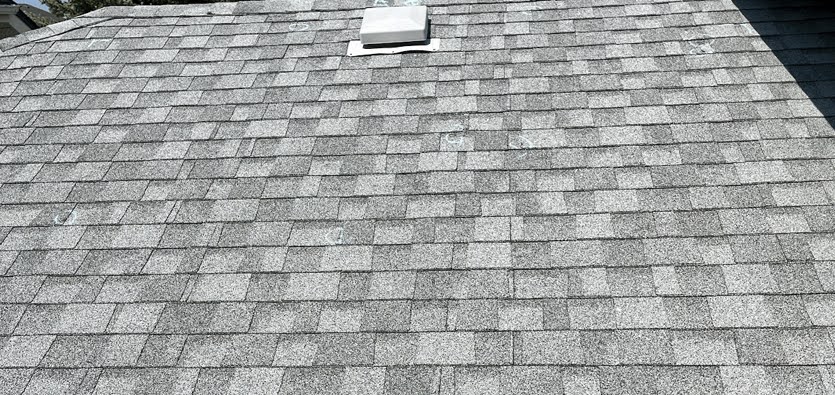
Identifying hail or wind damage often requires a close inspection by a professional who uses chalk to map out impact strikes and shingle displacement for insurance documentation and repair planning.
A Calgary homeowner’s worst nightmare: Hailstones pounding on your roof or ferocious winds whipping shingles loose.
These events, while dramatic, are unfortunately a reality for many Calgarians. The scars from the 2020 hailstorm serve as enduring reminders of its impact. Damaged roofs not only compromise the structural integrity of your home, but can also lead to costly water infiltration and further problems.
At AKRoN Roofing, we understand the urgency and stress associated with roof damage. In this guide, we will equip you with the knowledge to tackle hail or wind damage to your Calgary roof with confidence.
We’ll explore how to identify the signs of damage, navigate the repair or replacement process, and – most importantly – emphasize the significance of partnering with a reputable Calgary roofing company to ensure a smooth and stress-free restoration.
Identifying The Signs Of A Compromised Roof
The aftermath of a powerful storm can be stressful. While you’re busy clearing debris and checking for other damage, it’s crucial not to overlook your roof’s condition. Early detection of hail or wind damage is essential to prevent further problems and ensure a smooth repair process. By knowing the telltale signs of a compromised roof, you can take swift action and avoid costly water infiltration or structural issues down the line. Here’s a breakdown of the key visual indicators to watch out for:Hail Damage
- Bruised Shingles: Hailstones can leave behind dark spots or indentations on your shingles, resembling bruises.
- Missing Granules: Hail can dislodge these small, protective pebbles embedded in asphalt shingles, exposing the underlying asphalt and making your roof more vulnerable.
- Damaged Vents: Hail can dent metal roof protrusions such as exhaust vents, furnace and chimney caps. It can also cause cracks and holes in plastic roof vents.
- Damaged Flashing: Flashing, the metal strips that seal roof valleys and around chimneys, can become dented or ripped by hail, creating potential leak points.
- Damaged Fascia and Eavestroughs: These components located beneath your roof’s edge can be dented by hail.
Wind Damage
- Lifted or Missing Shingles: Strong winds can pry shingles loose, leaving exposed underlayment or even bare roof decking.
- Damaged Soffits, Fascia, or Eavestroughs: These components located beneath your roof’s edge can be ripped away or become dented by windblown debris.